Monday - Friday 07:30 - 17:30, Saturday 07:30 - 16:00
Floor Sanding in Finchley
Back to Portfolio
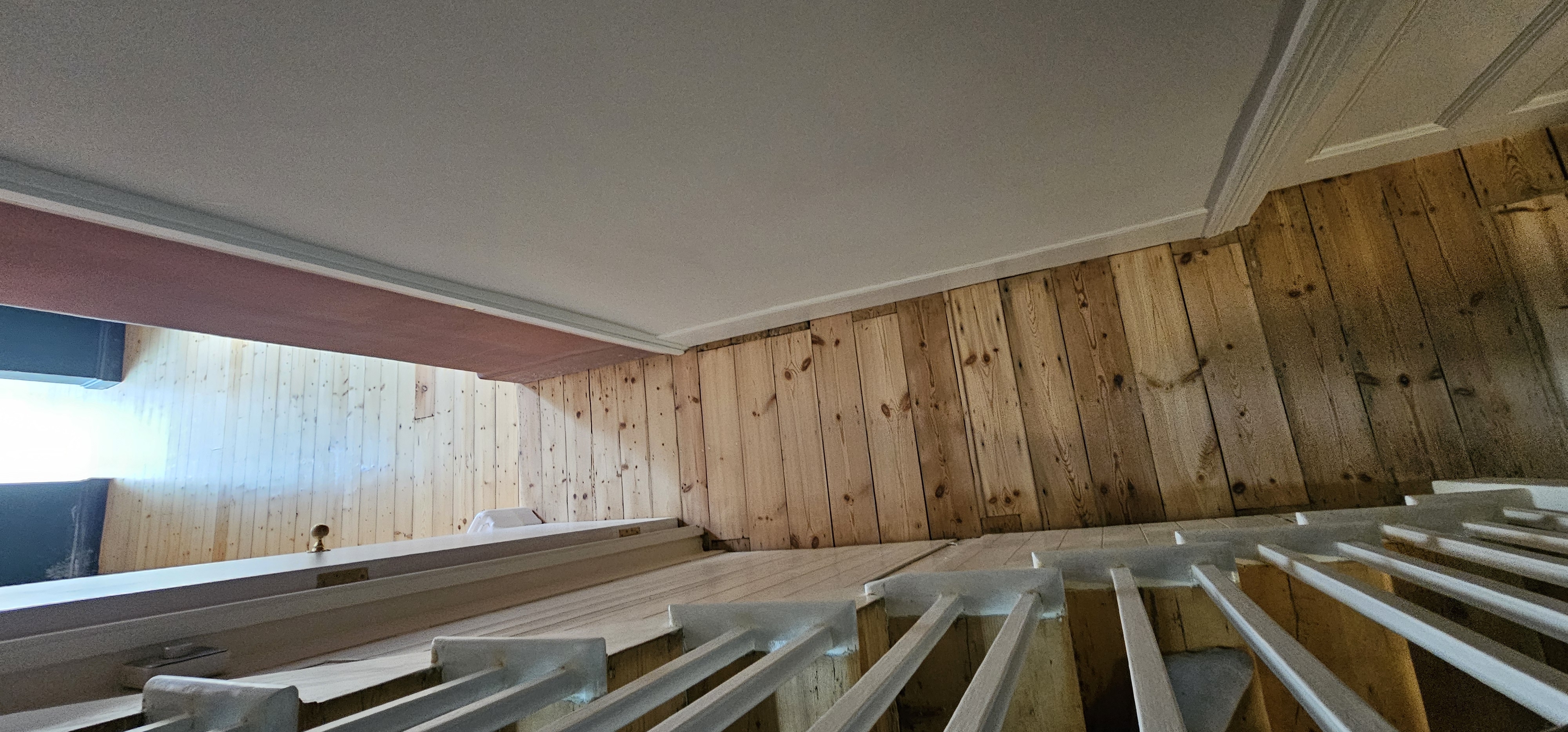
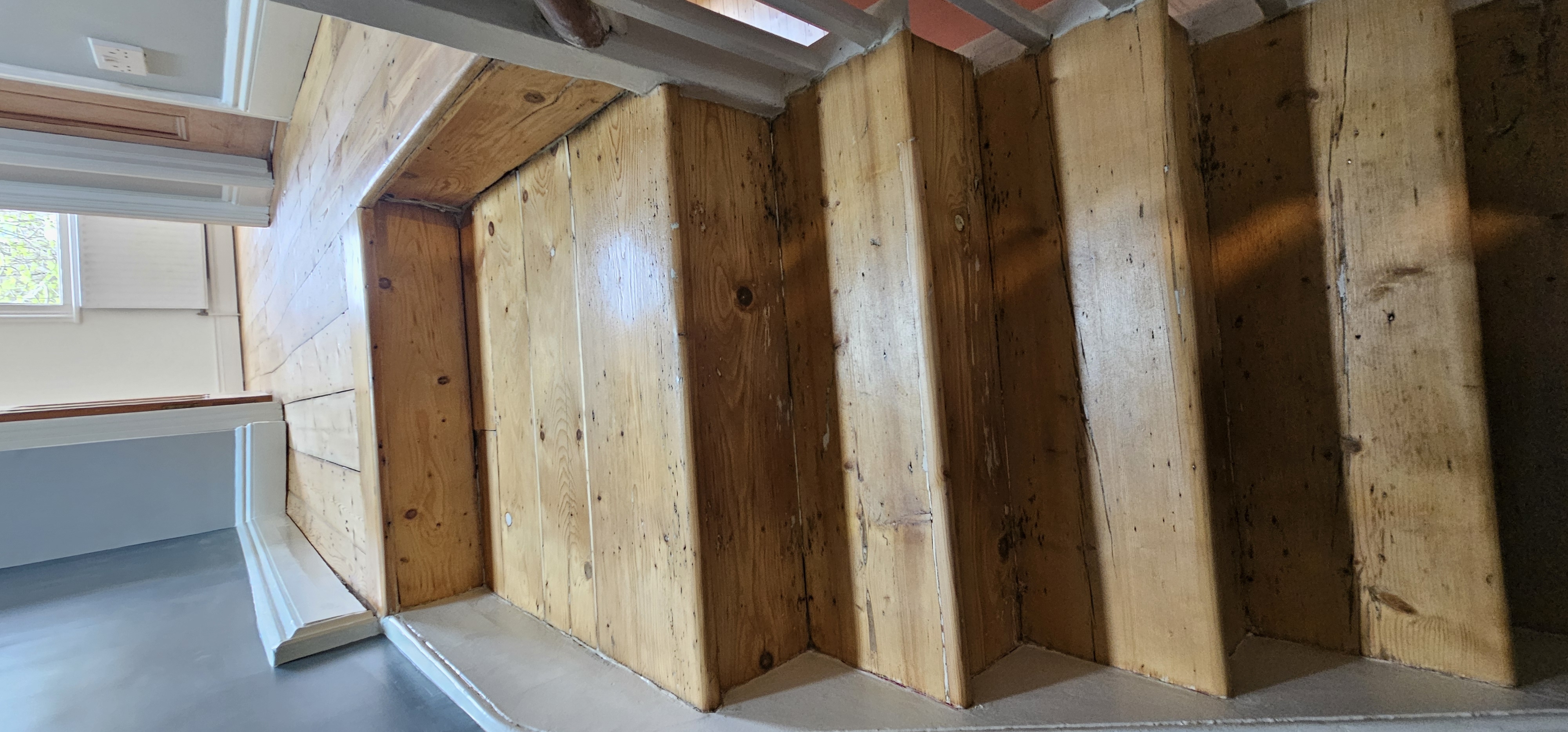
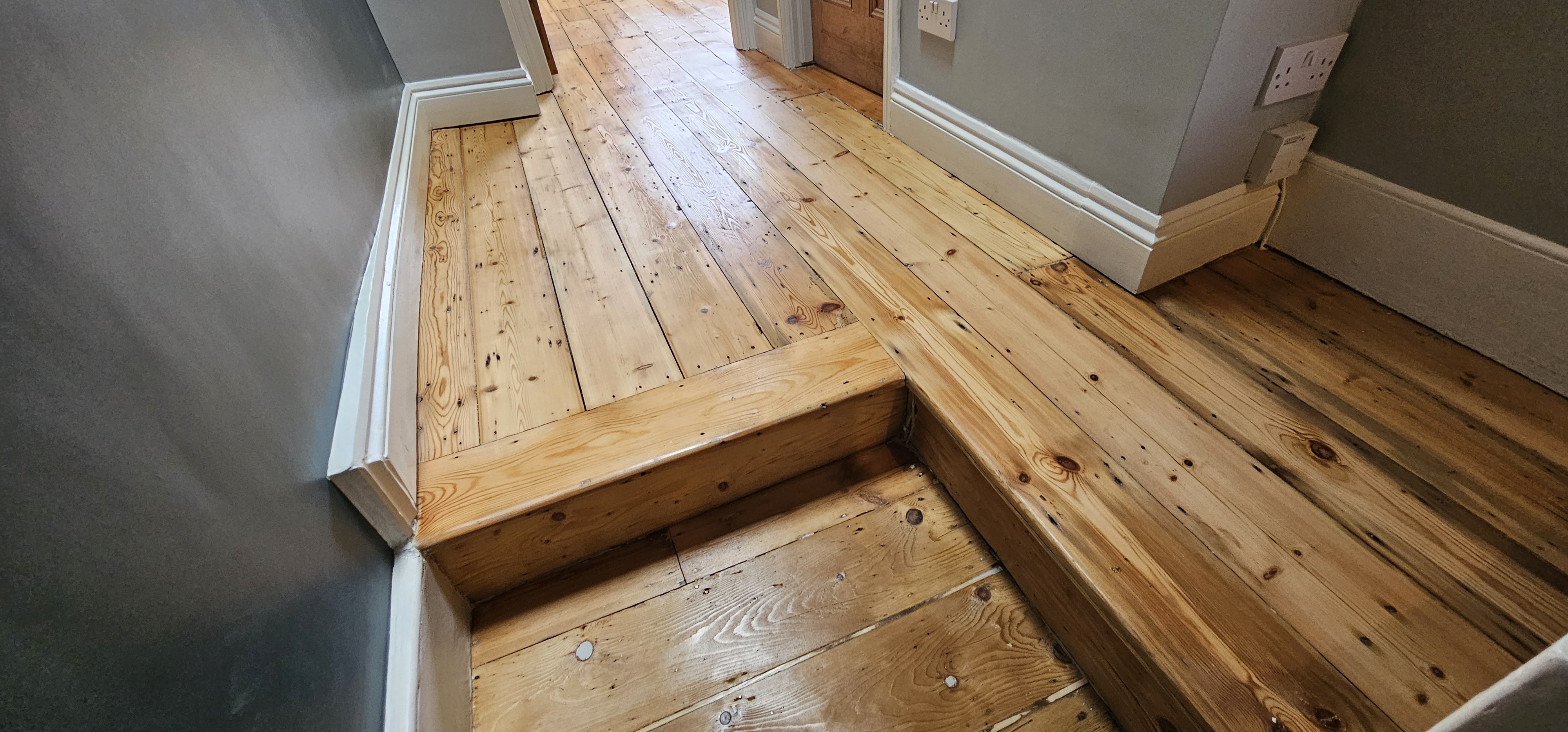
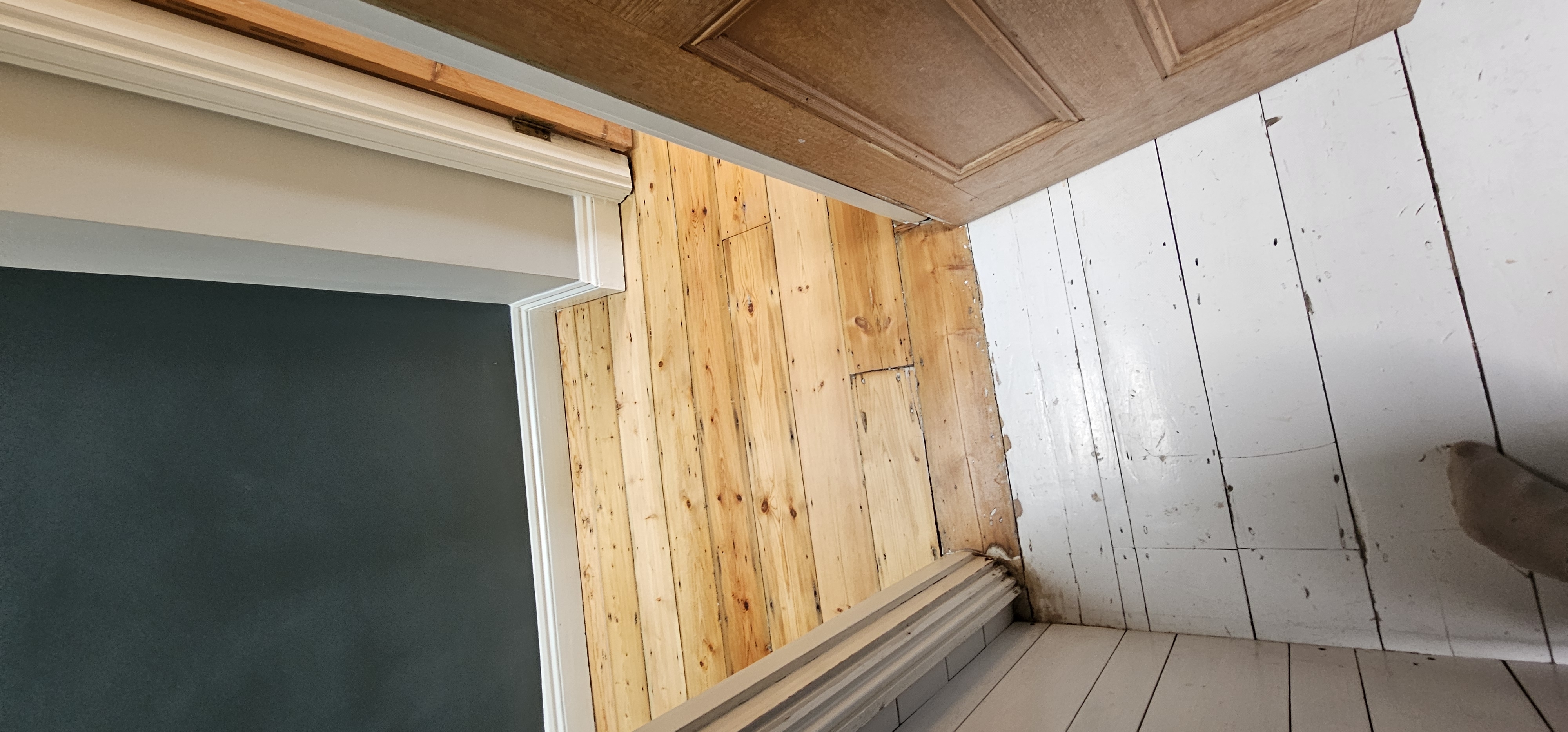
Floor Sanding in Finchley
We recently completed floor sanding work on a Victorian property in Finchley, where the original wooden floors had accumulated decades of wear and multiple layers of finish. The client wanted to restore the character of the period rooms whilst creating a contemporary living space, which required careful preparation and specialist sanding techniques suited to older timber. The work transformed tired, patchy floors into a smooth, even surface ready for a new protective finish.
Work carried out
- Complete floor sanding using drum and orbital sanders
- Dust containment and HEPA filtration throughout the property
- Edge sanding in corners and alcoves
- Assessment and repair of minor surface damage
- Preparation of floor surface for finishing
About the project
The Finchley property was a three storey Victorian end terrace with approximately 280 square metres of original floorboards across the ground and first floors. The main challenge was the inconsistency of the timber itself. The floors had been repaired piecemeal over the years, meaning different timber species and thicknesses sat alongside one another. In some areas, the boards had cupped and warped slightly due to moisture fluctuations common in older properties. We needed to sand carefully to level the surface without cutting through veneers or removing too much material in places where the boards were already thinner from previous maintenance work.
Our approach involved starting with a coarse grit pass to remove the old finish and level the worst of the cupping, then progressing through medium and fine grits to achieve a consistent, smooth finish. We used a combination of drum sanding for the main floor areas and orbital sanding for the edges and alcoves where a drum sander cannot reach. Dust control was essential in a residential setting, so we deployed HEPA filtration equipment and isolated work areas to minimise disruption to the rest of the house. The complete sanding process took approximately five working days, with the floor ready for finishing by the end of the week.
About our Finchley service
Finchley has a large stock of period properties, predominantly Victorian and Edwardian terraces mixed with some later 1930s semis and newer residential developments. This variety means we encounter a broad range of floor conditions and construction methods. Victorian floors typically feature narrower boards, often between 3 and 5 inches wide, laid on traditional joists with minimal sub-flooring. Edwardian properties often have slightly wider boards and more solid construction. We also work on newer properties in Finchley where the floors may be engineered timber or solid hardwoods, each requiring different sanding parameters to avoid damage.
The properties in the area tend to have absorptive finishes, meaning many older floors have been treated with oils, waxes, or worn lacquers that need complete removal to achieve a uniform appearance. Moisture is another consideration in this part of North London, with older terraces sometimes showing signs of damp or humidity-related movement. We assess each property individually and adjust our sanding approach accordingly, ensuring we produce a stable, even surface regardless of the timber type or previous treatment. Having worked across Finchley for several years, we understand the specific characteristics of properties in the area and can advise on the best finishing options for long term durability.
Frequently asked questions
How much does floor sanding cost?
Floor sanding typically costs between £25 and £45 per square metre depending on the current condition of the timber, the number of grit passes required, and whether edge sanding and repairs are needed. Properties with multiple layers of old finish or significant damage will fall towards the higher end of this range. We provide a detailed quotation on site after assessing the specific requirements of your floors.
How long does the sanding process take?
A typical job takes between three and seven working days depending on the floor area and condition. Smaller properties may be completed more quickly, whilst larger areas or floors requiring additional repair work take longer. Once sanding is complete, the floor needs to be left for 24 to 48 hours before finishing can begin, depending on the chosen product.
What dust control measures do you use?
We use HEPA filtered dust extraction equipment connected directly to the sanding machinery, which captures dust at source and prevents it circulating through your home. We also use containment barriers around work areas where appropriate. This approach significantly reduces the amount of dust settled on furniture and surfaces compared to sanding without proper extraction.
Project Gallery