Monday - Friday 07:30 - 17:30, Saturday 07:30 - 16:00
Our Blog
In our blog section you will find a lot of information on a variety of topics. From expert maintenance and cleaning advice to helpful floor buying and prices guide and how-to tips and tricks. Floor Sanding Finchley’s experts select helpful information in order to inspire you and give you ideas when planning a flooring project and suggest the best possibilities, depending on the specifics of any room, type of flooring and the environment. Keep in mind, our blog articles are informative and inspirational, however for best results and a working floor sanding, restoration and maintenance strategy, rather contact a member of our customer service. We try to answer your questions as soon as possible, but paying attention to your personal story and project may take some time.
Latest Articles


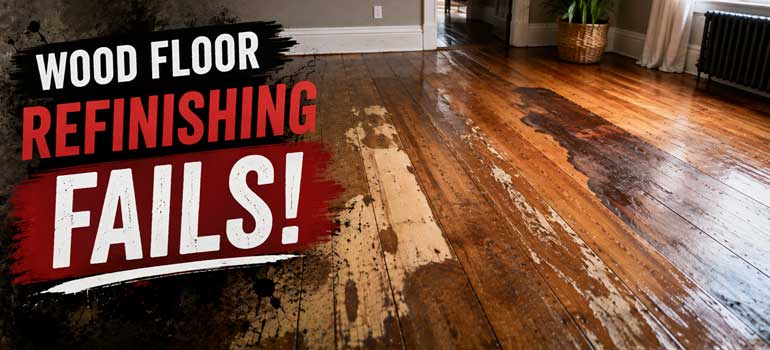
Avoid common wood floor refinishing fails! Discover the biggest mistakes DIYers make and learn how to get flawless, long-lasting results with the right techniques.
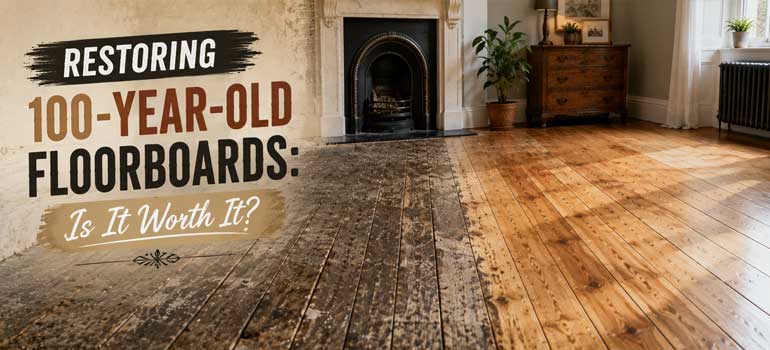
<p>Thinking about restoring 100-year-old floorboards? Learn the benefits, challenges, and expert tips to help you decide if bringing old wood floors back to life is worth the effort.</p>
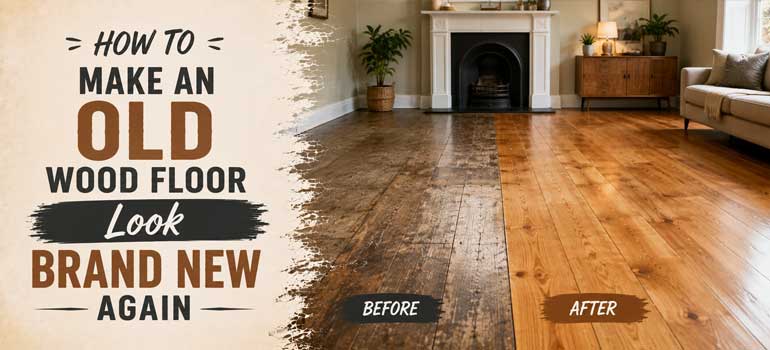
The step-by-step process for restoring an old, worn wood floor, from cleaning and sanding through staining and sealing, plus how many times it's possible.
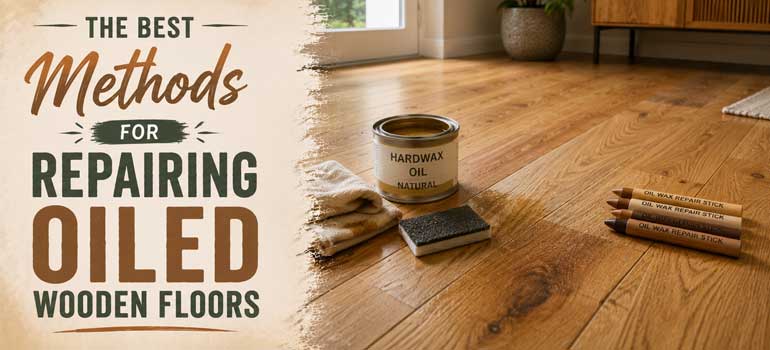
How to repair scratches, scuffs and worn patches on an oiled wood floor, from simple recoating to when a full sand is actually needed.
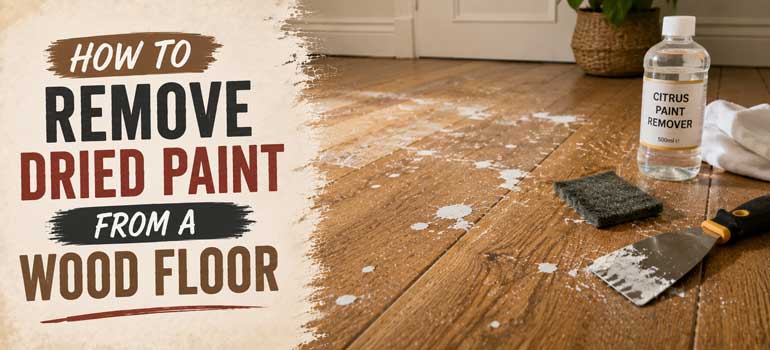
How to safely remove dried water-based, latex and oil-based paint from a wood floor, and when the finish underneath needs professional attention.
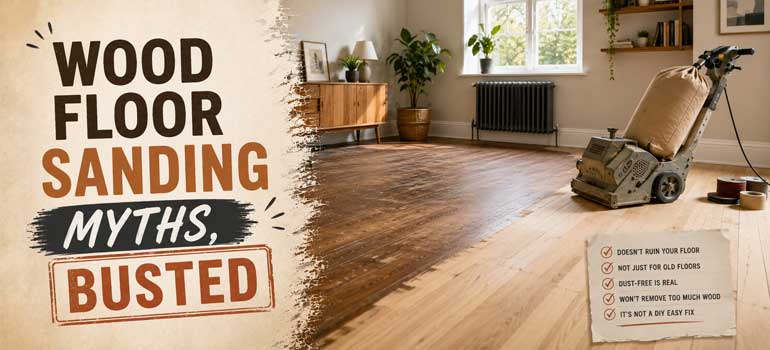
Common misconceptions about wood floor sanding, from how dusty it actually is to whether DIY is realistic, cleared up with straightforward answers.
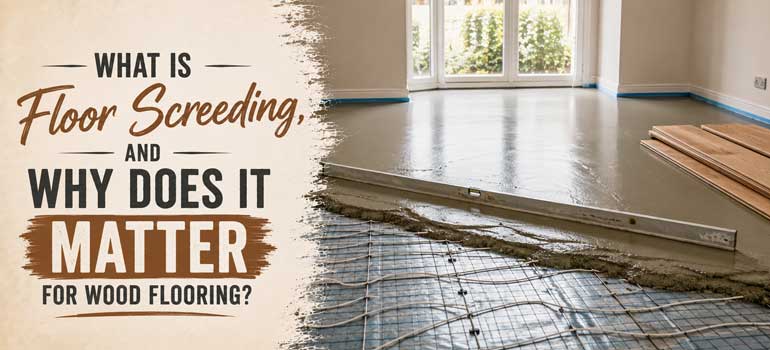
What floor screeding actually involves, the different screed types available, and why a properly screeded subfloor matters before wood installation.

What to look for in wood flooring for a home office, from rolling chair durability to finish and colour choices that hide everyday wear.

Which wood floor finishes hold up to family life with kids, why low-VOC products matter, and how to balance durability with safety.
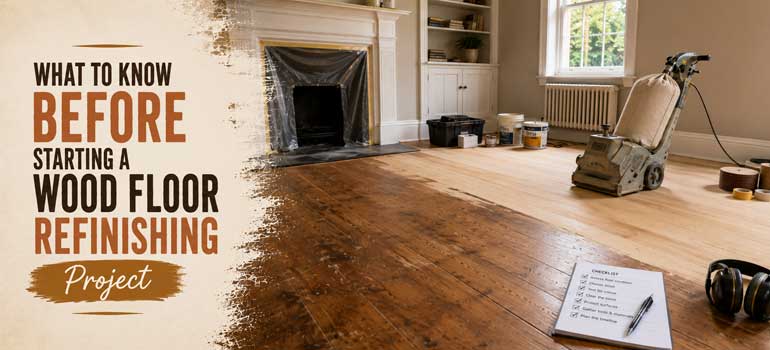
The time, expertise, tools and budget considerations to weigh up before a wood floor refinishing project, whether DIY or professional.

How to prepare a hardwood floor for colder, wetter months, including humidity control, mud and grit protection, and when to refinish beforehand.
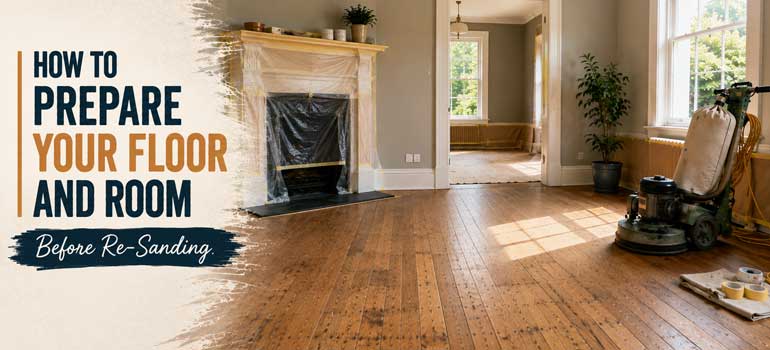
A full room-preparation checklist before wood floor re-sanding, from clearing the space to checking for raised nails and sealing off dust.
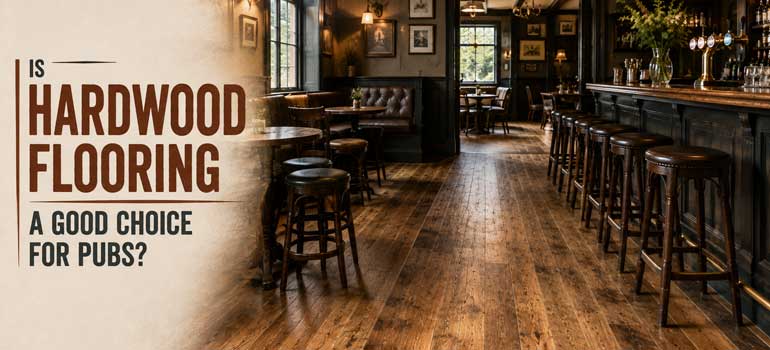
What hardwood flooring offers a pub in terms of durability, noise control and maintenance, and what to consider before choosing it.
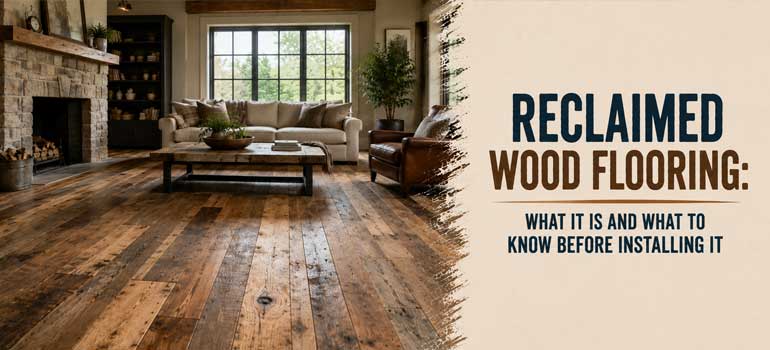
What reclaimed wood flooring actually is, how acclimatisation and installation differ from new timber, and what to expect from the process.

The history of hardwood flooring from its origins through modern sanding technology, plus interesting facts worth knowing.
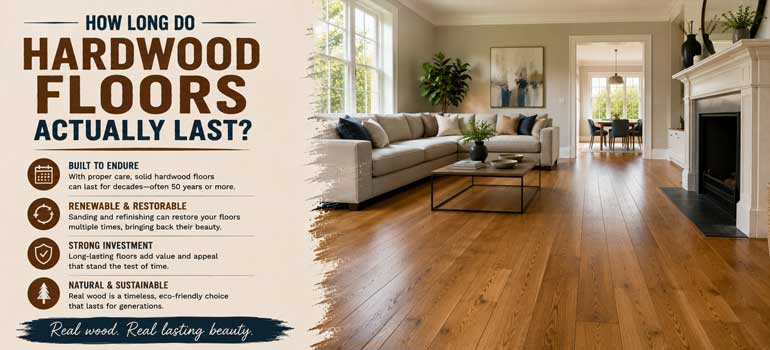
How long solid and engineered wood floors last in practice, what board thickness and construction have to do with it, and how to maximise lifespan.
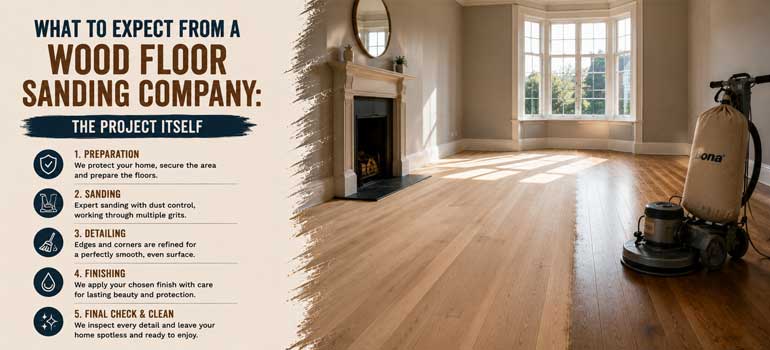
What actually happens once a wood floor sanding project starts, from room prep and sanding stages through finishing and baseboards.
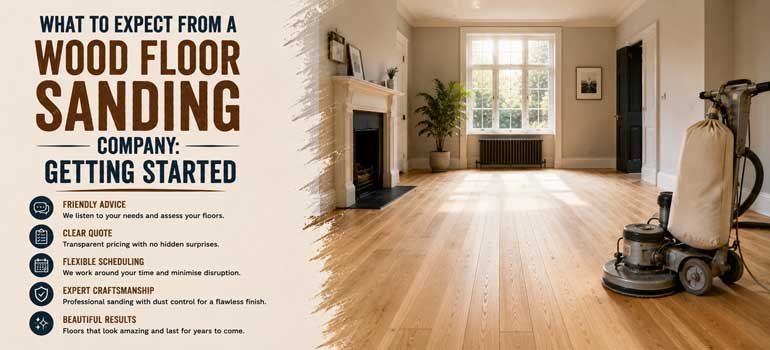
What a good wood floor sanding company should offer from first contact through to scheduling, so you know what to expect before hiring one.
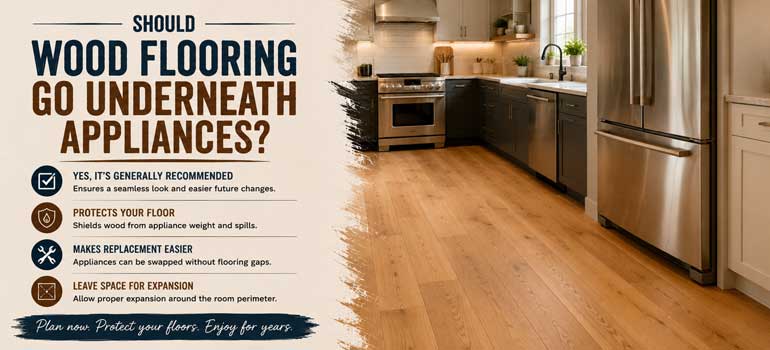
The case for and against fitting wood flooring beneath fridges, cookers and cabinetry, and how to decide based on your own renovation plans.
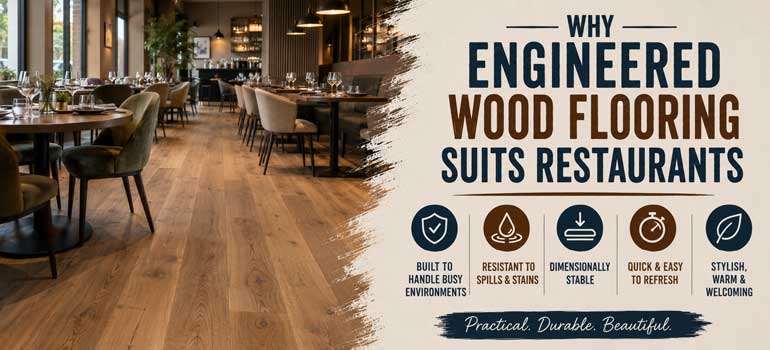
What makes hardwood the right flooring choice for restaurants, and why engineered wood in particular handles the demands of a busy dining space.

The goal of battling and attacking allergies and other conditions is not simply to manage to keep your home in perfect condition. The trick here is that hardwood floors collect less dust and dirt that can be removed easily and effectively!
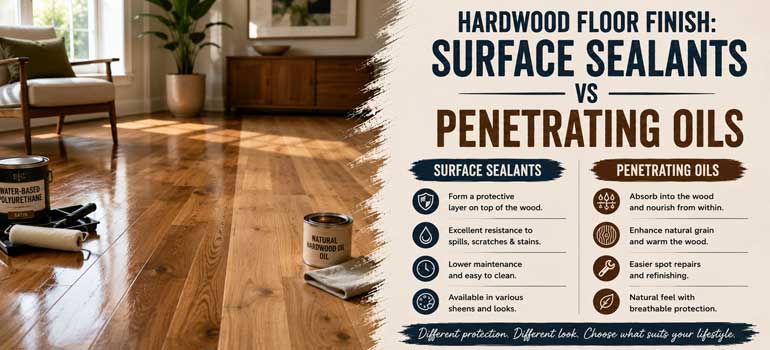
The difference between surface sealants and penetrating oils for hardwood floors, with a breakdown of shellac, varnish, lacquer, urethane and oils.
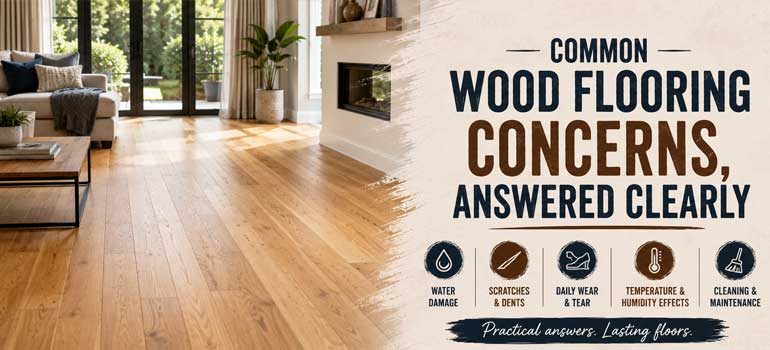
Straight answers to common questions about wood quality, curing, acclimatisation and installation, for anyone planning a new wood floor.
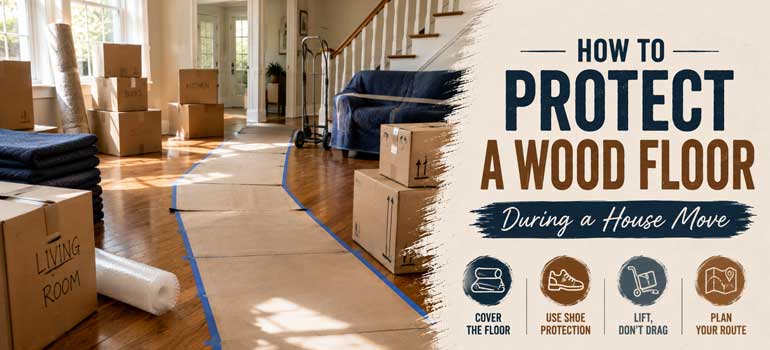
Practical steps to protect wood flooring from scratches, dents and water damage during a house move, from covering to furniture handling.
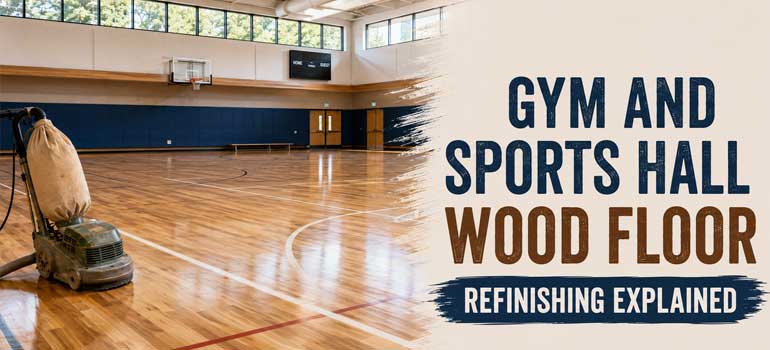
Why gym floors need specific maintenance, the difference between screening and full refinishing, and what a sports floor refinish involves.
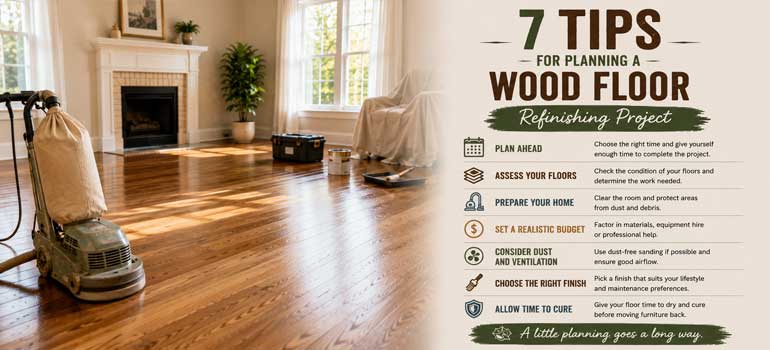
Practical planning tips for wood floor refinishing, from getting a proper estimate to prepping the room and choosing a stain that lasts.
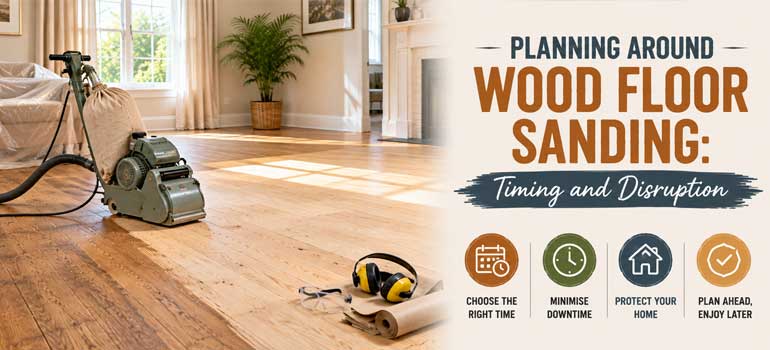
What to expect during a wood floor sanding project, why certain seasons suit it better, and how to plan around the disruption.

How acclimatisation, proper installation and acoustic underlay reduce noise from wood flooring, and when extra soundproofing is worth it.
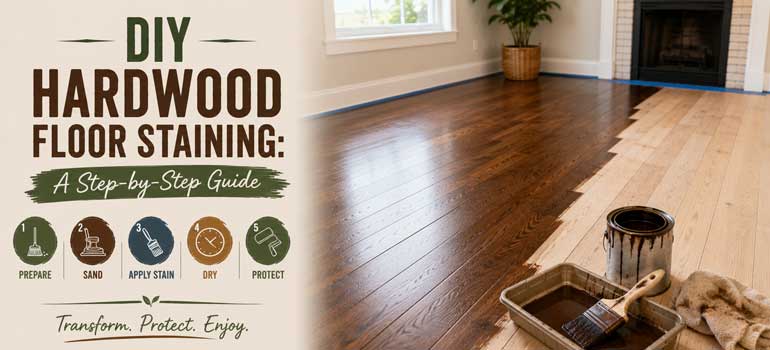
How to stain a hardwood floor yourself, from sanding preparation through the water popping technique to sealing, plus where DIY tends to go wrong.
Why urethane factory-finished floors need different care than older wax or oil floors, and how to get a wood floor guest-ready quickly.

How to sell reclaimed wood flooring in good condition, prepare it properly, and choose between salvage yards, ads, and resale platforms.

Why heating causes gaps to open between floorboards each winter, which floor types and species resist it best, and how to manage indoor humidity.
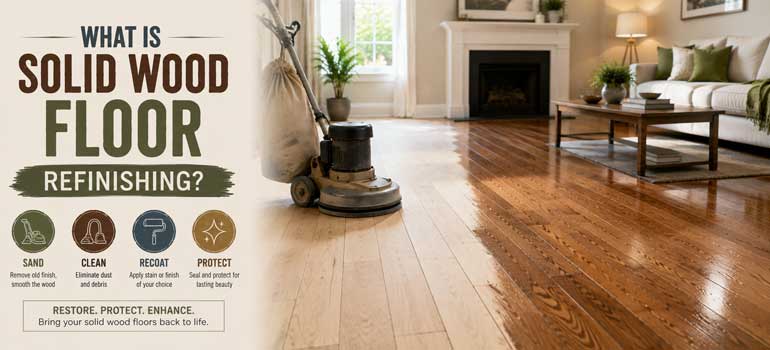
A plain explanation of what refinishing means for a solid wood floor, how many times it can be done, and whether DIY sanding is realistic.
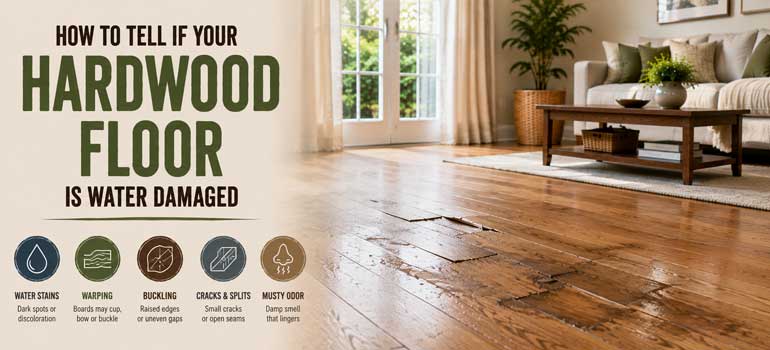
The visible and hidden signs of water damage in a hardwood floor, how to check for them properly, and what to do once you've found them.
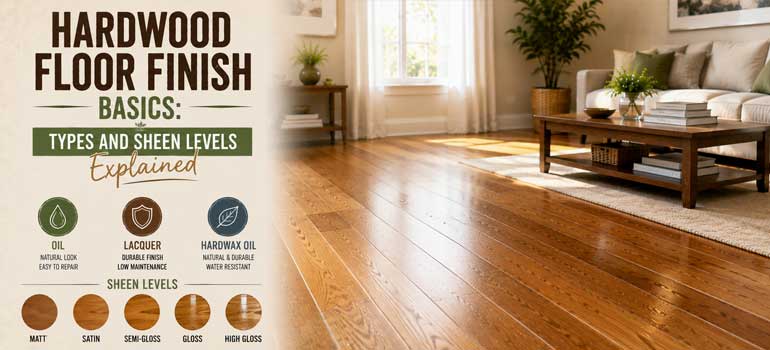
The difference between wax, oil and lacquer finishes, and how matt, satin, semi-gloss and glossy sheens affect durability and upkeep.
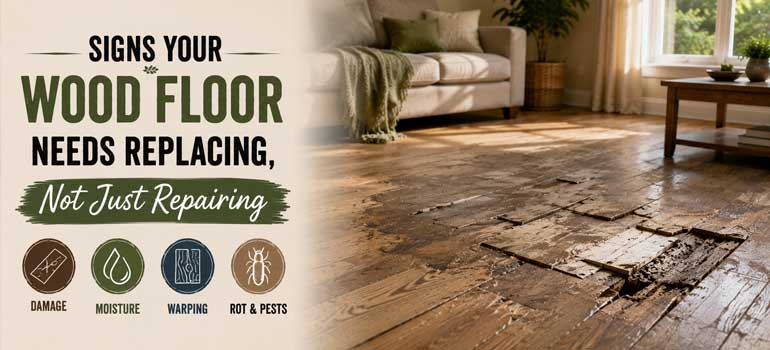
The specific warning signs that mean a wood floor is beyond repair, and which common problems are still fixable with sanding or targeted work.
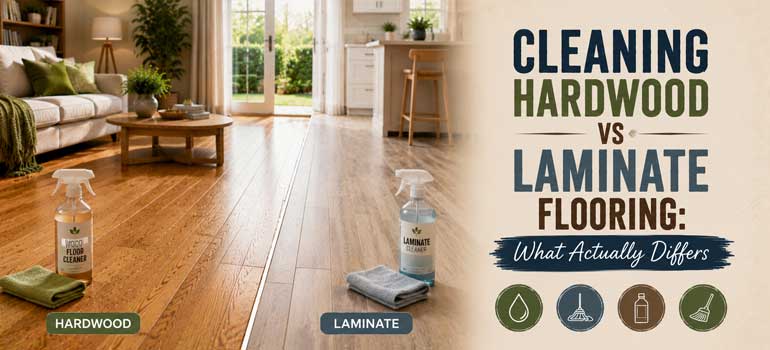
Why hardwood and laminate need different cleaning approaches despite looking similar, and the specific mistakes that damage each one.
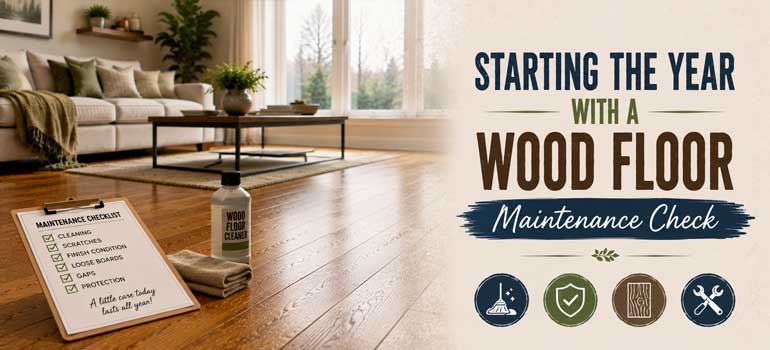
Why the start of a new year is a practical time for a wood floor inspection, and which services make the most sense to plan first.
Why steam cleaners damage solid and engineered wood floors despite marketing claims, and what to use instead for a fast, thorough clean.
The practical differences between prefinished and unfinished wood flooring, the treatment options available, and which suits which kind of project.
How wood floor recoating works, how to tell if your floor has a wax finish, and when recoating is enough versus needing a full sanding.
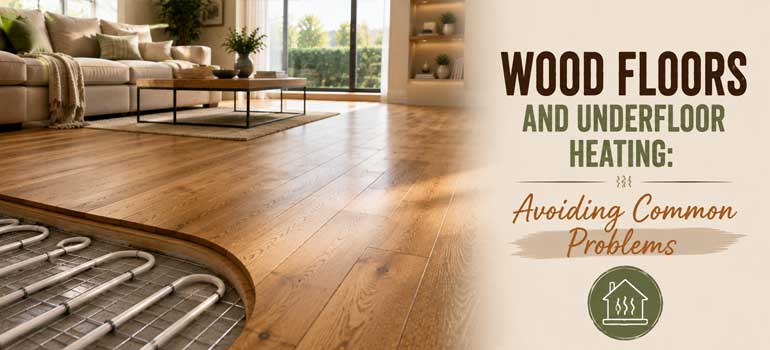
How to run underfloor heating safely under a wood floor, which floor types suit it best, and the mistakes that cause warping and delamination.
How solid wood floor refinishing works from sanding through to the final coat, and why it costs and disrupts far less than full replacement.
What to look for on a wood floor cleaner's label, which common ingredients to avoid, and why the wrong product can damage the finish over time.

How wood floor polishing works, when it's the right choice over sanding, and the step-by-step process for a wax or lacquer finish.
Why wood floors naturally darken, lighten or shift tone with age, which species change most, and how to slow or manage the process.
The common causes of wood floor squeaking, how to locate the source, and the fixes that work for loose boards, dried joists and friction noise.
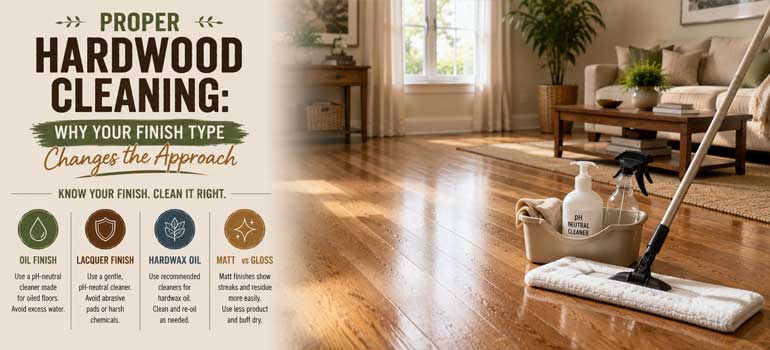
A practical cleaning routine for hardwood floors, including how the right approach changes depending on whether your floor is lacquered or oiled.
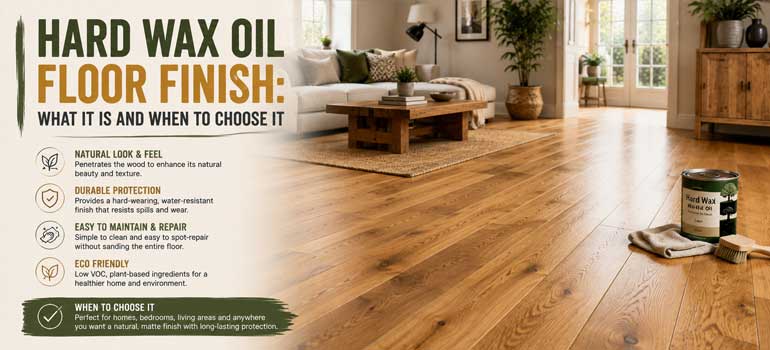
How hard wax oil finish compares to lacquer and standard oil, what upkeep it needs, and which floors and rooms it suits best.
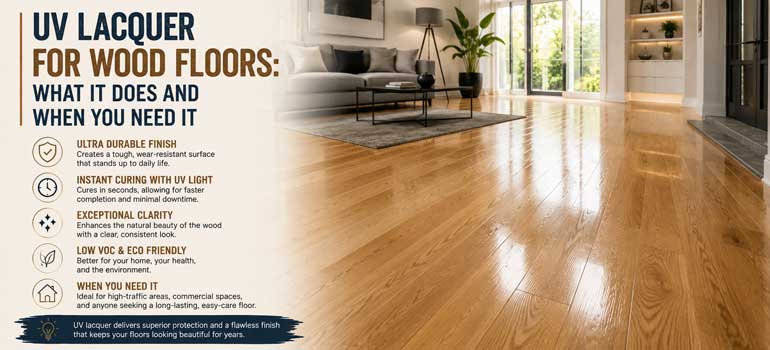
How UV-protective lacquer differs from standard sealants, why dark-shaded floors need it most, and how to tell if your floor already has it.
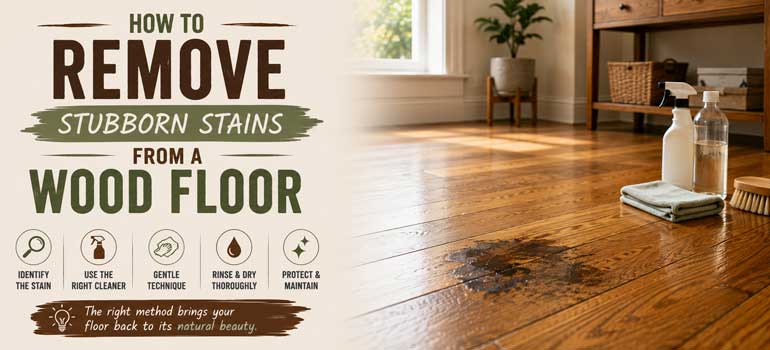
Practical ways to treat common wood floor stains, from water rings to pet urine, and how to tell when a stain needs professional sanding instead.
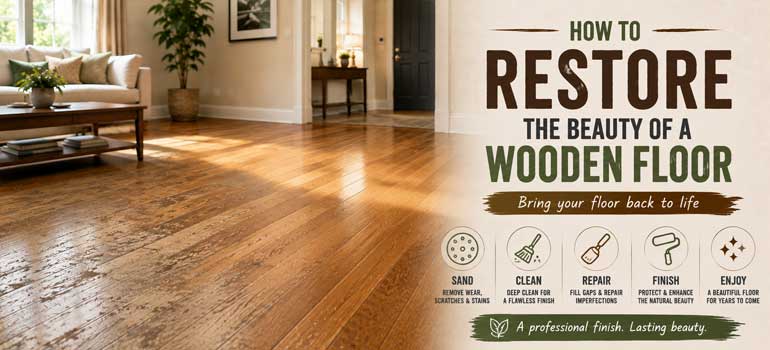
The sanding, screening and finishing process that brings a dull, worn wood floor back to its original condition, and what each stage involves.
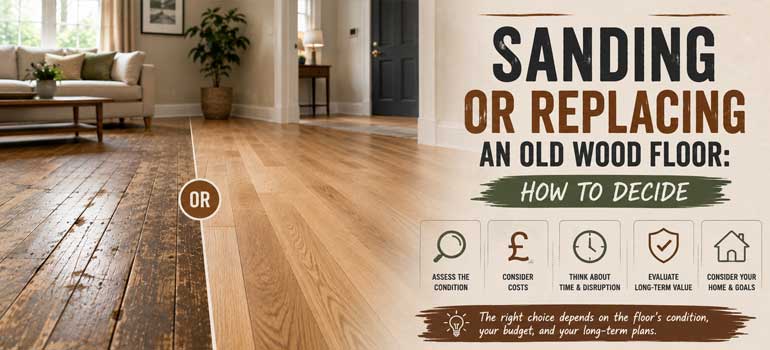
How to tell whether an old, worn wood floor can be sanded back to life or genuinely needs replacing, and what a professional assessment checks.
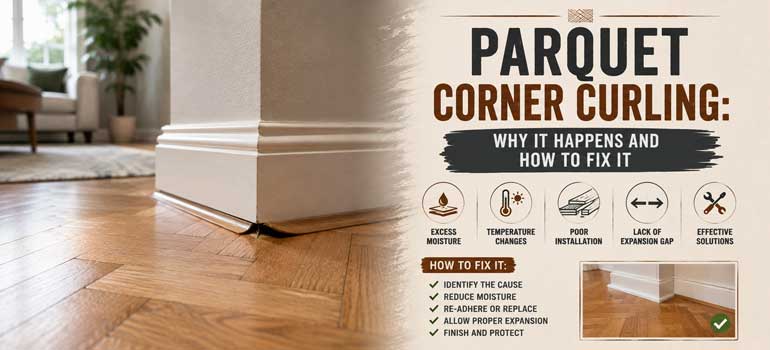
Why parquet block corners curl or lift, how grain direction and groove design contribute, and what repair options are available.
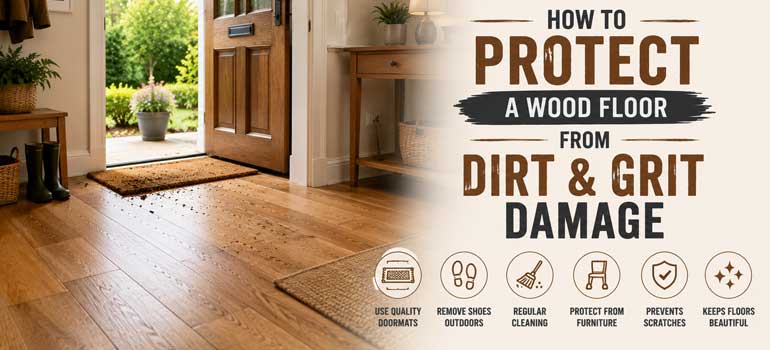
Why dirt and grit are one of the biggest causes of wear on wood floors, and practical ways to reduce the damage before it needs sanding out.
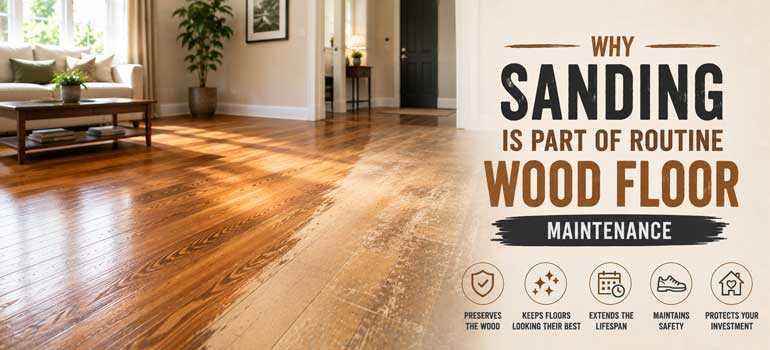
How regular cleaning fits with occasional sanding to keep a wood floor in good condition, and how humidity affects how often sanding is needed.
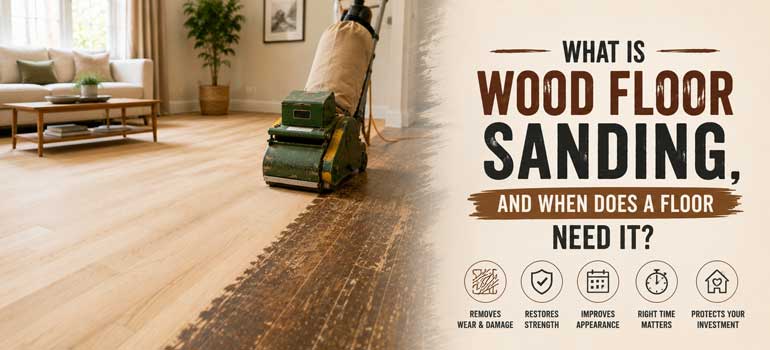
What wood floor sanding actually involves, the signs a floor needs it, and how many times solid and engineered floors can be sanded.
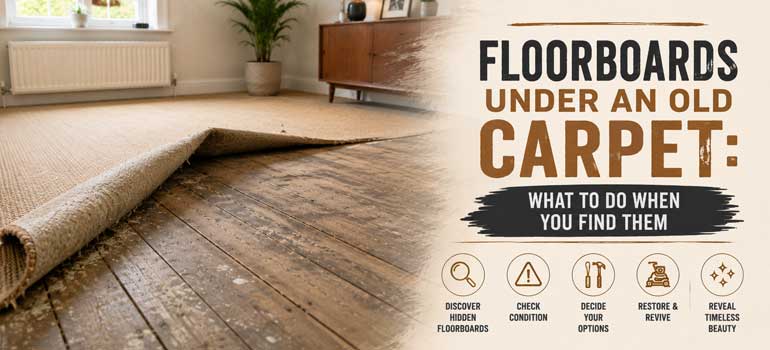
What condition to expect from original floorboards hidden under old carpet, and the repair, sanding and finishing process to restore them.
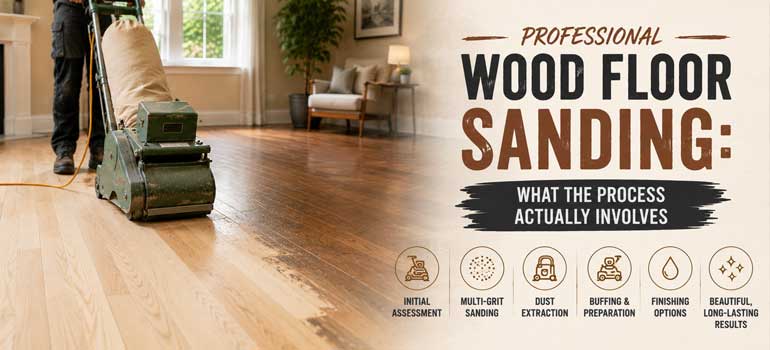
What professional floor sanding involves, how long it takes, what affects the timeline, and how to prepare your home before the team arrives.
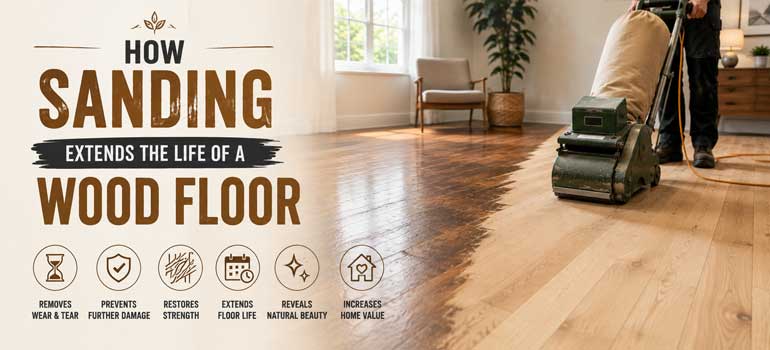
How often different wood floor types can be sanded, what sanding does and doesn't fix, and why unfinished floors need it from day one.
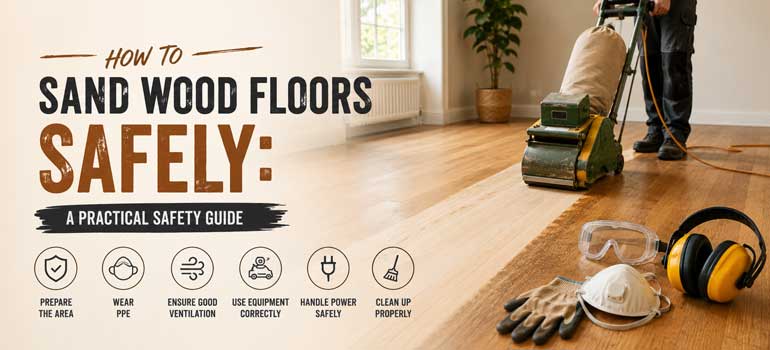
The real safety risks of floor sanding, from wood dust and fumes to fire hazards, and how to manage each one if you're doing the job yourself.
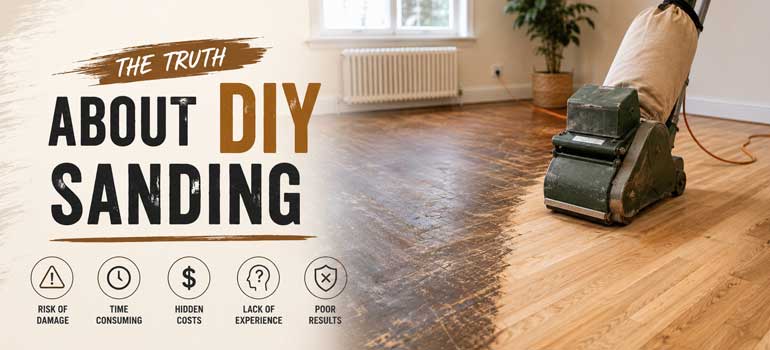
What DIY wood floor sanding really involves, the equipment needed, and the most common mistakes that turn it into a costly job to fix.
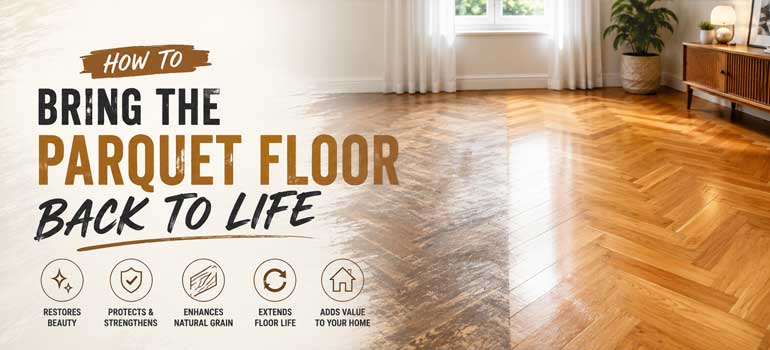
How parquet floor restoration works, when spot repairs are enough, and what to expect from professional parquet sanding in London.
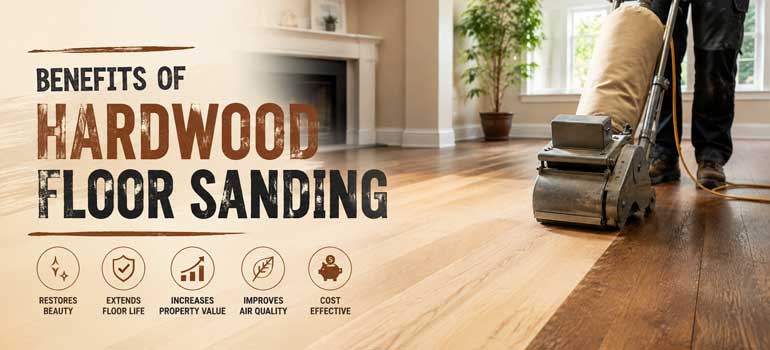
What solid wood floor sanding actually does, when it's needed, and how it extends the life of a hardwood floor. Advice from a London sanding team.