Monday - Friday 07:30 - 17:30, Saturday 07:30 - 16:00
Islington Parquet Floor Sanding And Lacquer Finish
Back to Portfolio
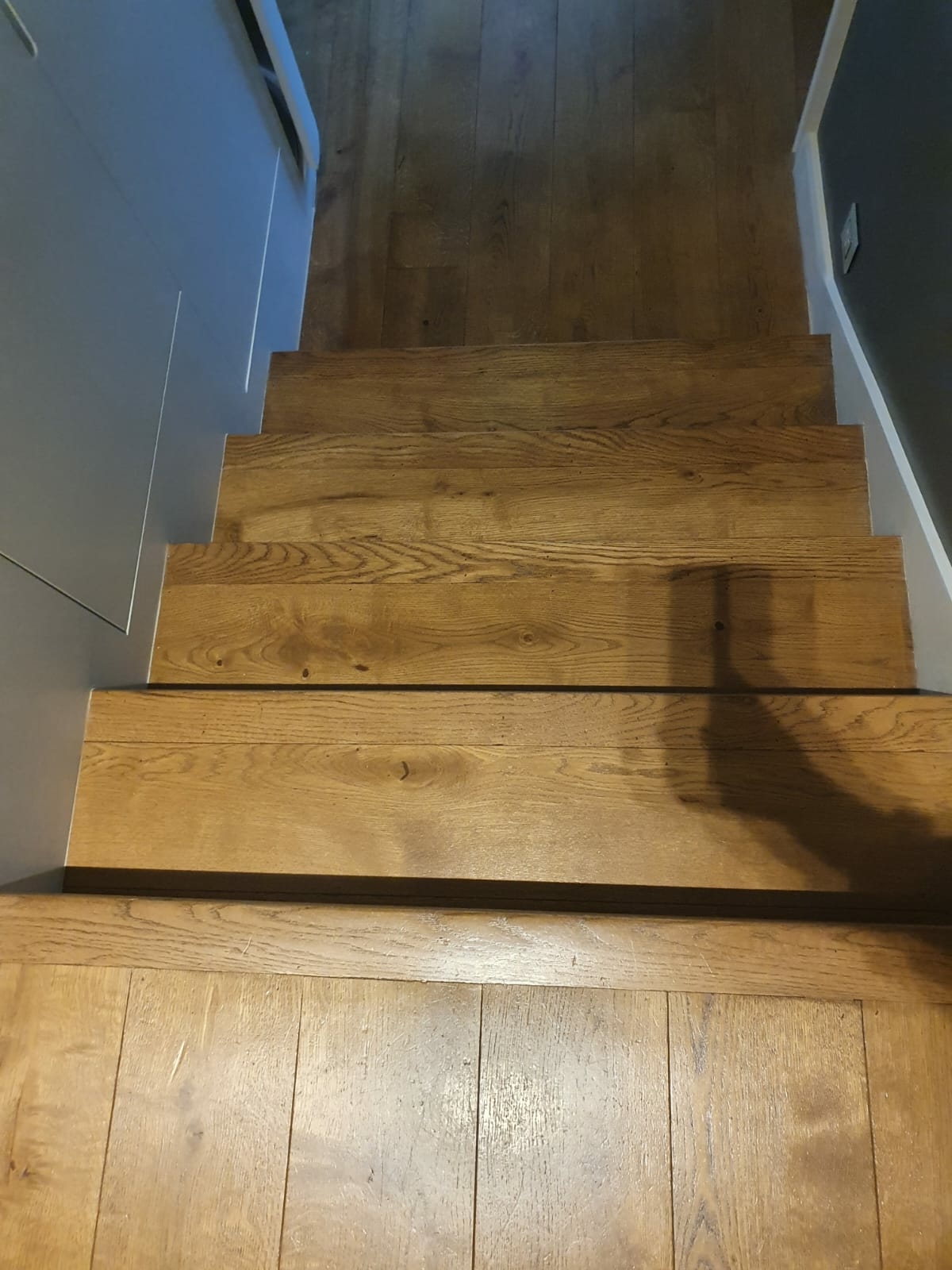
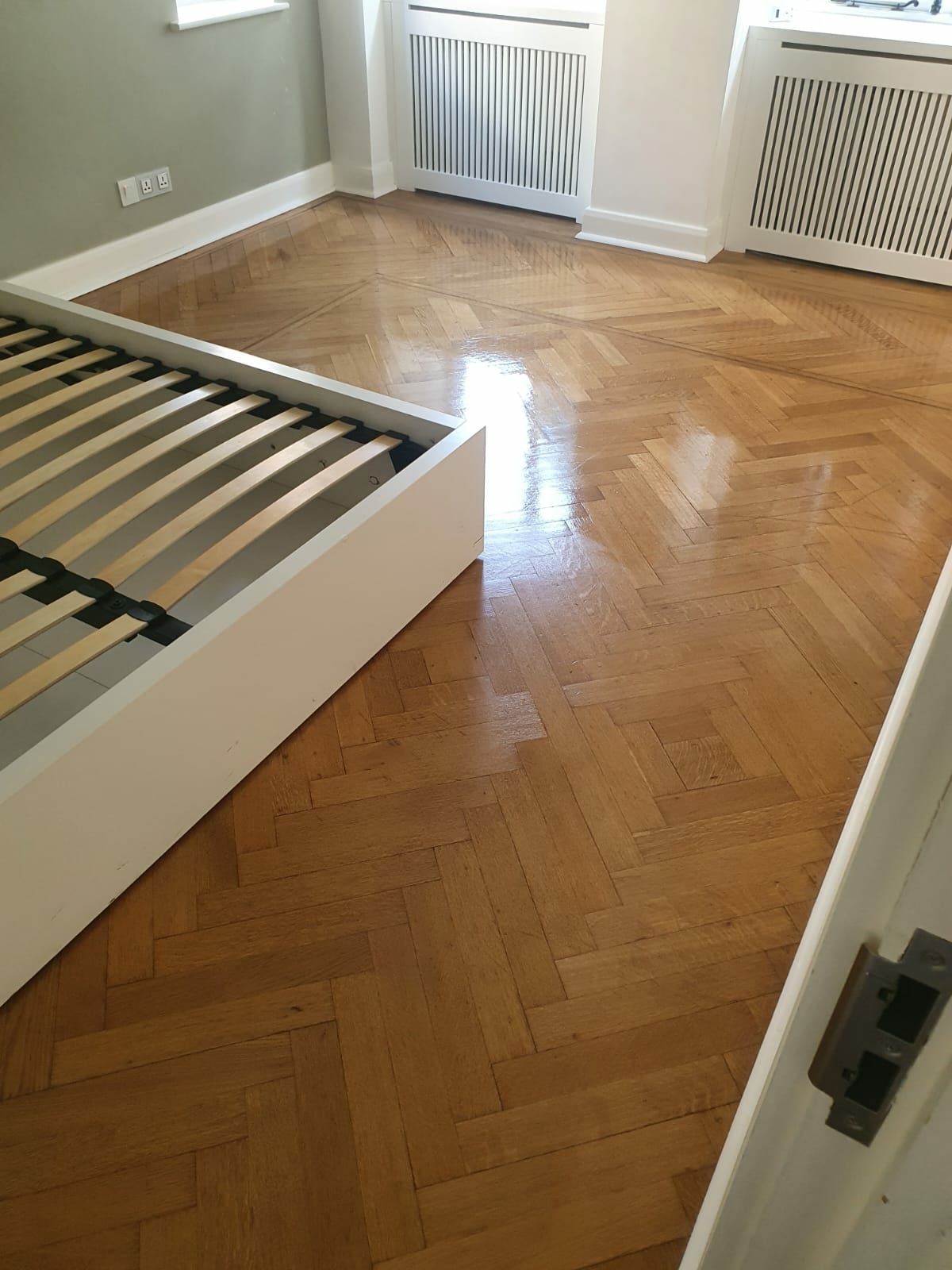
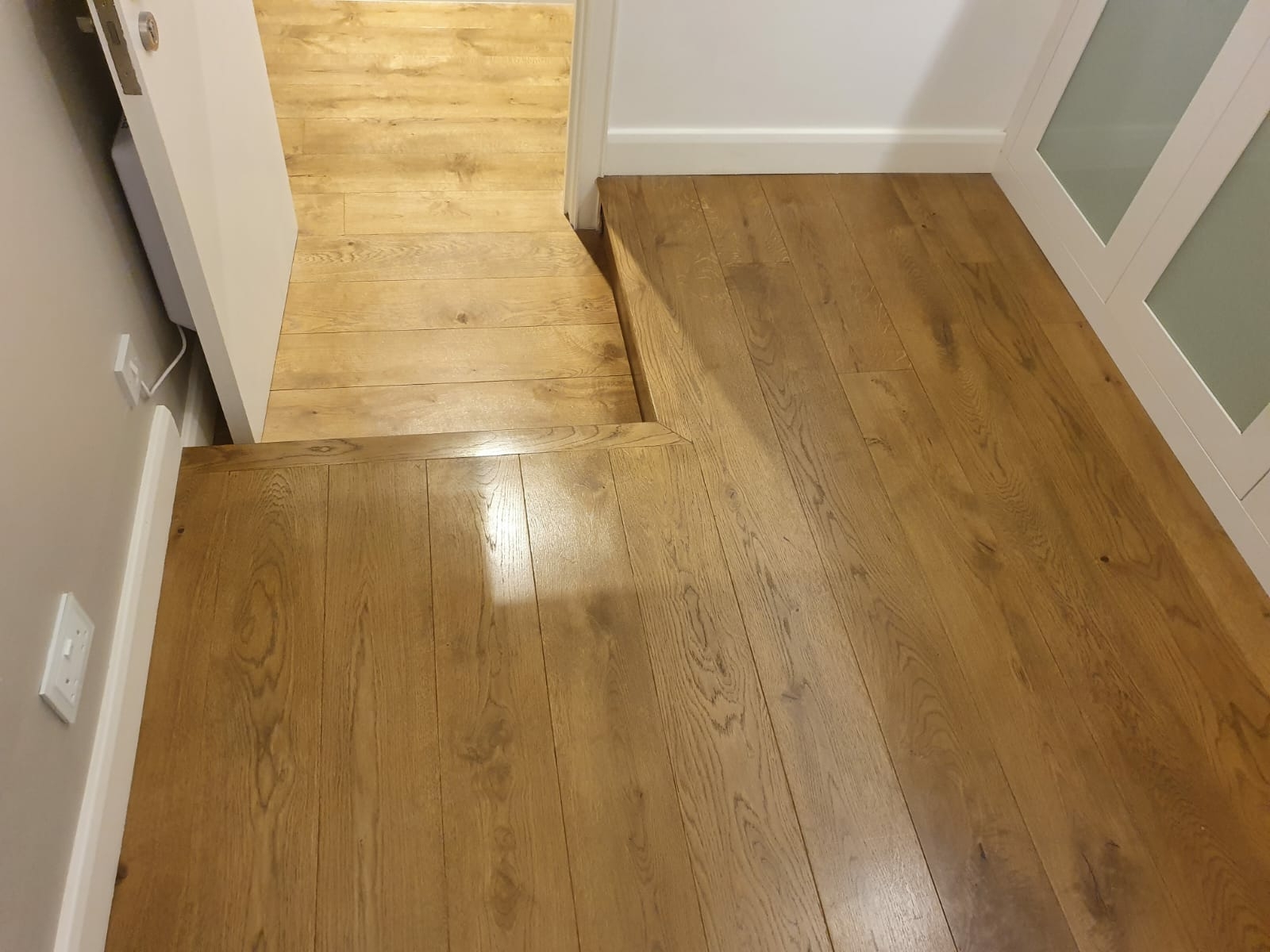
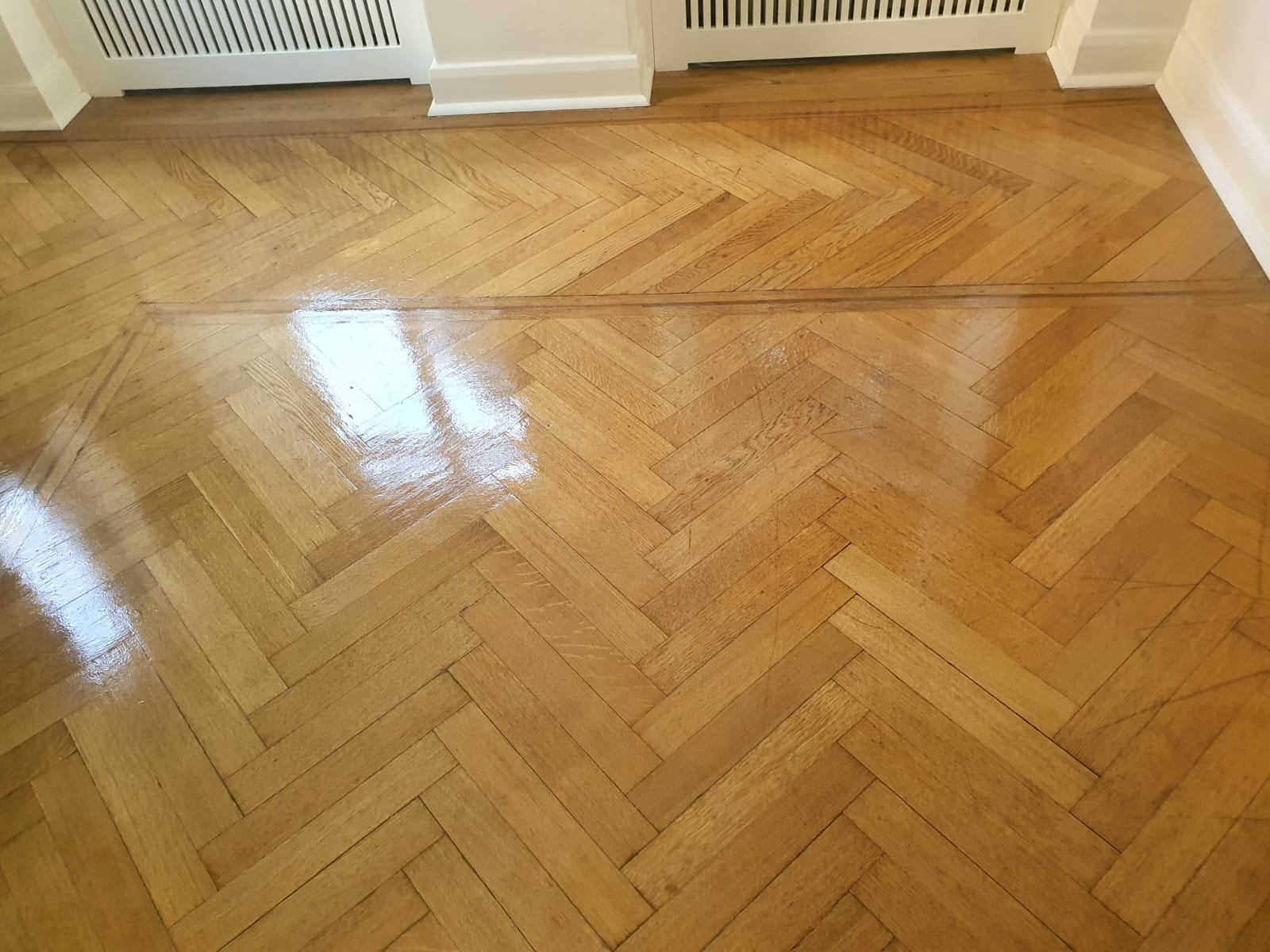
Islington Parquet Floor Sanding And Lacquer Finish
This Victorian townhouse in Islington needed significant restoration work on its original parquet flooring. After years of wear, the surface had become dull and marked. We carried out comprehensive sanding followed by a lacquer finish to bring the floor back to its former quality.
Work carried out
- Multiple-grit sanding sequence using 60, 80, and 120 grit papers
- Hand sanding of edges and corners
- Dust containment and extraction throughout
- Two-pack polyurethane lacquer application, two coats
- Light sanding between coats for adhesion
- Final inspection and quality sign-off
About the project
The floor was a traditional hardwood parquet with a herringbone pattern, typical of properties built in Islington during the 1880s. The existing finish had worn through in high traffic areas, particularly along the main corridor and around the doorways. The owners wanted to preserve the character of the floor while making it practical for family use. We needed to remove the old finish completely, address some minor movement in a few boards, and apply a protective coating that would stand up to everyday use.
The main challenge was managing dust in a property where the family was still living upstairs. We sealed off the room with temporary barriers and used industrial extraction equipment throughout the sanding process. This containment approach meant we could work without the dust migrating through the rest of the house. The parquet pattern required careful hand work around the edges, as our machine sanders couldn't reach right to the walls. Once we'd brought the surface to a consistent finish with the 120 grit paper, we applied the lacquer in two coats, leaving proper drying time between each application and sanding lightly to ensure good adhesion.
About our Islington Parquet Floor Sanding And Lacquer Finish service
Islington has a varied stock of older properties, and floor sanding is one of the most common jobs we undertake here. Many of the Victorian and Edwardian terraces and semi detached houses have original hardwood flooring that simply needs restoration rather than replacement. We work regularly on period properties where the floors have been covered for decades, sometimes with carpet or vinyl, and just need bringing back to life. The character of these floors is part of what makes the properties valuable, so getting the finish right matters to homeowners who want to retain that sense of history.
Beyond the period properties, we also work on newer builds in the area where developers have installed engineered parquet or solid wood flooring that needs finishing or recoating. The approach differs slightly depending on the wood type and what's already been done to the surface, but the principle remains the same: systematic sanding followed by a durable protective coat. Our experience across all these property types means we can advise on whether a floor is worth restoring or whether replacement might be the better option. Most of the time, original floors can be brought back to excellent condition at a fraction of the cost of laying new wood.
Frequently asked questions
How much does floor sanding typically cost?
Sanding costs generally range from £25 to £45 per square metre, depending on the condition of the floor, the complexity of the pattern, and any edge work required. A typical Victorian parlour floor of around 20 square metres would cost between £500 and £900 for sanding alone. We provide a detailed quote after visiting the property and assessing the existing finish.
How long does sanding and lacquering take?
A straightforward single room usually takes three to four days from start to finish. This includes the sanding sequence, which spreads across two days, then the lacquer application and drying time. Larger areas or floors in poor condition may take longer. You'll typically need to keep the room clear for about five days to allow the finish to cure fully before returning it to normal use.
Is the dust-free sanding process effective?
Our dust extraction system removes approximately 99 percent of airborne particles during sanding. We use sealed sanders connected to industrial-grade filters and containment barriers around the working area. While some fine dust is inevitable with any sanding work, the extraction system makes a dramatic difference to the property and your health. This is particularly important in occupied homes or where residents have respiratory sensitivities.
Project Gallery